When Senra CEO Jordan Black was a SpaceX engineer, he took on the job of scaling up the company’s wire harnesses to support production of Starship, the company’s next-generation rocket.
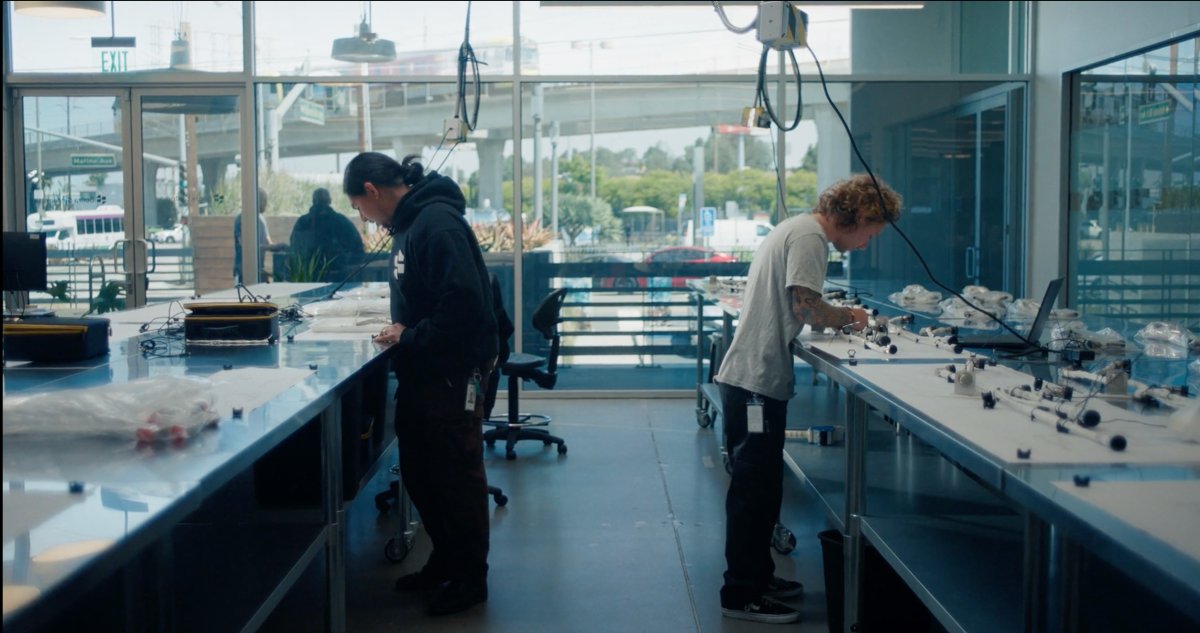
Wire harnesses are what they sound like: the internal electrical cabling that runs through a rocketship, car, plane, or tractor and becomes increasingly important the smarter those vehicles get. They’re bespoke, put together by technicians who are, functionally, experienced craftspeople.
“I traveled all over the world to go visit wire harness companies,” Black told TechCrunch last month. “It really hasn’t changed since the Cold War era of wooden tables [and] manual processes.”
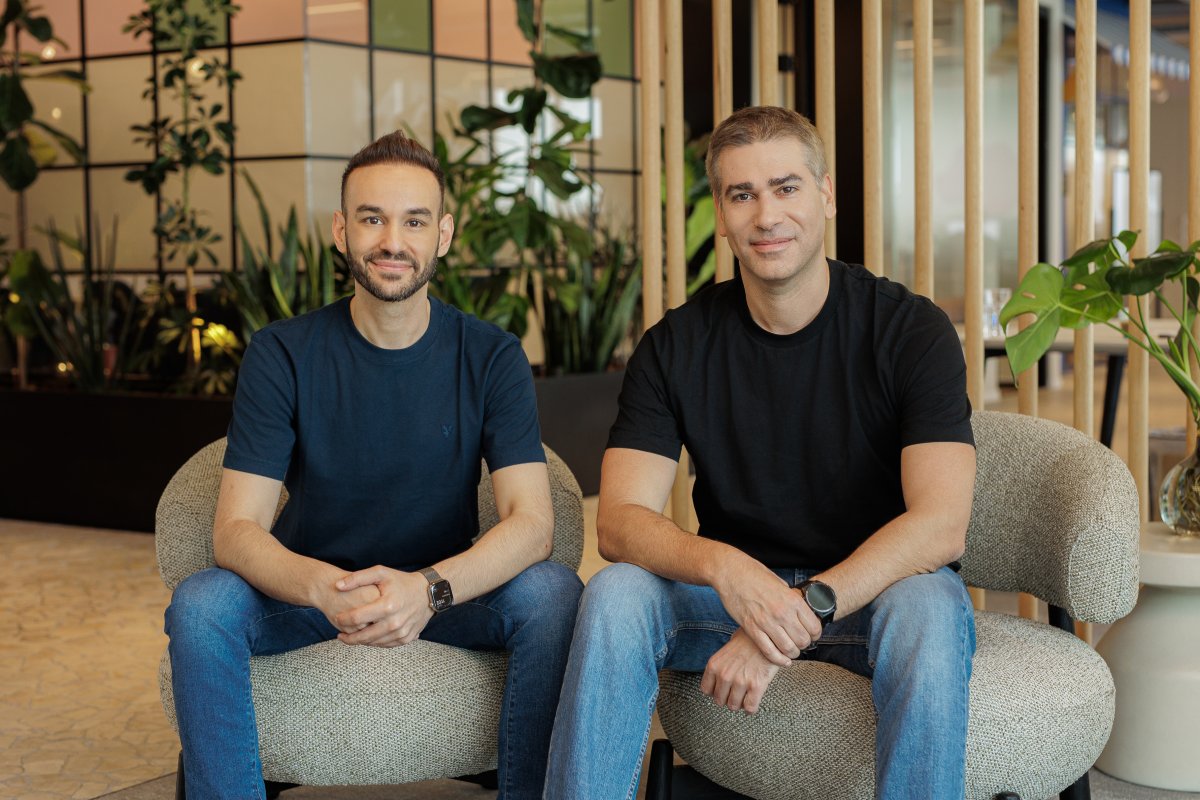
Black and co-founder Benjamin Shanahan started Senra in 2023 to offer a more modern solution to vehicle manufacturers. Today, the startup is announcing a $65 million Series B round, co-led by Lowercarbon and Interlagos with participation from General Catalyst, Sequoia Capital, Andreessen Horowitz, and Founders Fund, among others.
Serna isn’t looking to take humans out of the handmaking process—at least not while robots find manipulating wires a challenge and relevant training data remains scarce. Instead, it’s turning to software tools and other forms of automation to modernize aspects of the traditional manual work.
The company is benefiting from the surge of money into U.S. manufacturing, particularly the defense industrial base. While Black couldn’t disclose customers, he said they include builders of “anything from submarines and maritime vehicles, to defense vehicle systems on land, to launch vehicles, to satellites.”
If it doesn’t sound immediately important, consider a recent wire harness disaster. In 2023, Boeing discovered that its Starliner spacecraft’s wiring was held together with flammable tape, forcing an expensive delay while the entire wiring system was redone.
Black points to that experience as a reason to raise the standards for wire harnessing, using automated systems to track materials and engineering changes. “Having it all in the same software is probably the most important thing, because it’s all the little inputs that happen that can make a catastrophic change down the road,” he said.
Senra uses Amp, a proprietary software platform, to standardize the inputs throughout the wiring process and produce a digital twin to guide its technicians, who are trained by the company in what Black says is the only federally certified wire harness training program. The company is also, as it scales, finding ways to automate more of the process.
“It goes back to the Elon principle of, ‘automation is last,’” Black told TechCrunch. “We’re working on it now, but a lot of it the standardization and the foundation building that made SpaceX be able to scale something like rockets, which you could only build one a year if you were lucky, and now they do hundreds a year.”
Senra — which, by the way, is “harness” spelled backwards, minus the “h” and “s,” because Black says the company takes the “horsesh*t” out of harnesses — produces 1,000 each month across two different factories and plans to increae production to 10,000 a month in 2027.
When you purchase through links in our articles, we may earn a small commission. This doesn’t affect our editorial independence.