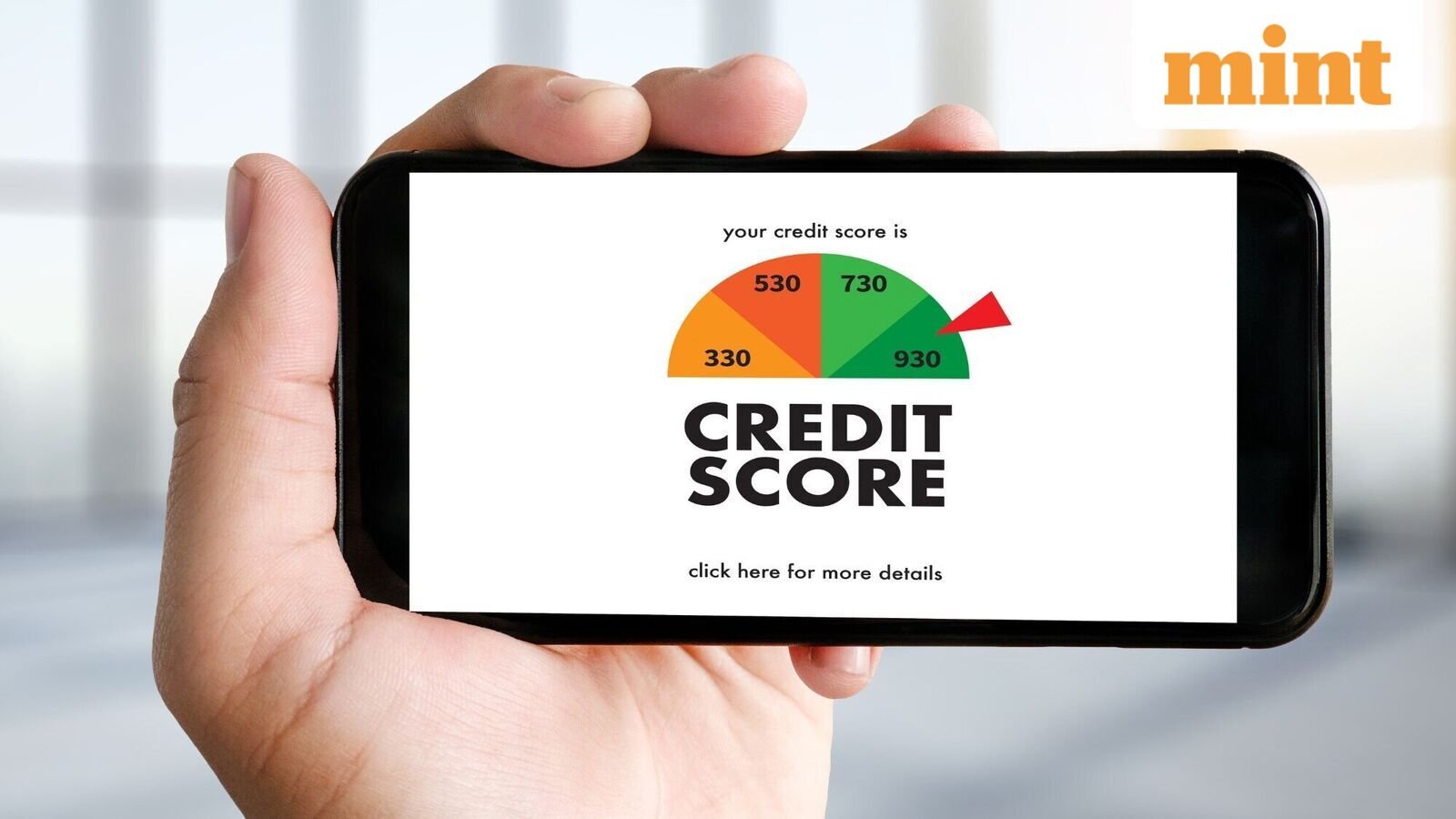
Your credit score plays a crucial role in how lending institutions and card issuers calculate borrowing costs. As financial institutions in the country have now started to strategically rely on data-driven risk assessments, a strong credit score, generally a score over 750, can assist in securing better credit card terms, conditions and interest rates.
Leading credit bureaus such as CIBIL, CRIF High Mark, Equifax and Experian provide customers with their updated credit scores. The basic range of credit scores provided by these rating agencies is between 300 to 900. Furthermore, any score below 650 is considered a weak credit score, indicating poor financial management.
Why lenders link interest rates to your credit score
Credit card interest rates in the country often range between 30-42% per annum. They primarily depend on a host of factors such as banks’ lending rules, customers’ risk profile, past payment history, along other similar factors.
A credit score, simply put, is how reliable and trustworthy a borrower is to handle debt. Lending institutions link interest rates to credit scores to make the process of credit card eligibility and lending more robust and financially robust.
How do lending institutions read your score?
- A credit score of 750+ indicates lower lending risk and solid repayment potential.
- Any score in the range of 650 to 749 is generally suggestive of occasional delays and higher credit utilisation. This is a moderate score.
- Any score below 650 is a serious red flag. It potentially signals default risk. This is a weak score, representative of a poor repayment history.
Better scores translate into more comfort and confidence for the lending institution. Thus resulting in competitive interest rates, special offers and lucrative rebates on credit cards.
How does your score directly influence credit card costs?
- Lower interest rates for responsible borrowers: A strong credit score may help applicants qualify for lower finance charges and easier interest rates, thereby reducing the cost of revolving credit.
- Higher credit limits: Financial institutions extend higher limits to low-risk users. This helps in improving credit utilisation and assists in maintaining proper credit health.
- Eligibility for premium cards: Top-tier credit cards offer customers lucrative rewards, travel benefits and insurance. Applying for and securing such credit cards requires a high credit score, preferably a score of over 750 and a solid credit profile with no recent defaults or missed payments.
- Faster approvals and fewer documentation requirements: When a personal loan or credit card applicant comes with a high credit score, it helps streamline the application process and minimise additional checks.
- Better balance transfer offers: Borrowers with a clean credit profile and a high credit score receive low-interest or zero-interest balance transfer options. This brings down the overall cost of borrowing and also makes the entire process of repayment easier and seamless.
How can you maintain a credit score that works in your favour?
To ensure that you can keep your borrowing costs in proper check, you should:
In conclusion, aspiring credit card applicants should understand the risks of credit cards before applying for any new card. All credit cards come with inherent risks such as high-interest debt, threat of overspending, potential of credit score damage, and possibility of credit card fraud, along with exorbitant fees to make the entire credit card usage experience difficult.
For all personal finance updates, visit here.
Disclaimer: Mint has a tie-up with fintechs for providing credit; you will need to share your information if you apply. These tie-ups do not influence our editorial content. This article only intends to educate and spread awareness about credit needs like loans, credit cards, and credit scores. Mint does not promote or encourage taking credit, as it comes with risks such as high interest rates and hidden charges. We advise investors to discuss with certified experts before taking any credit.