
Sanuj Bhatia / Android Authority
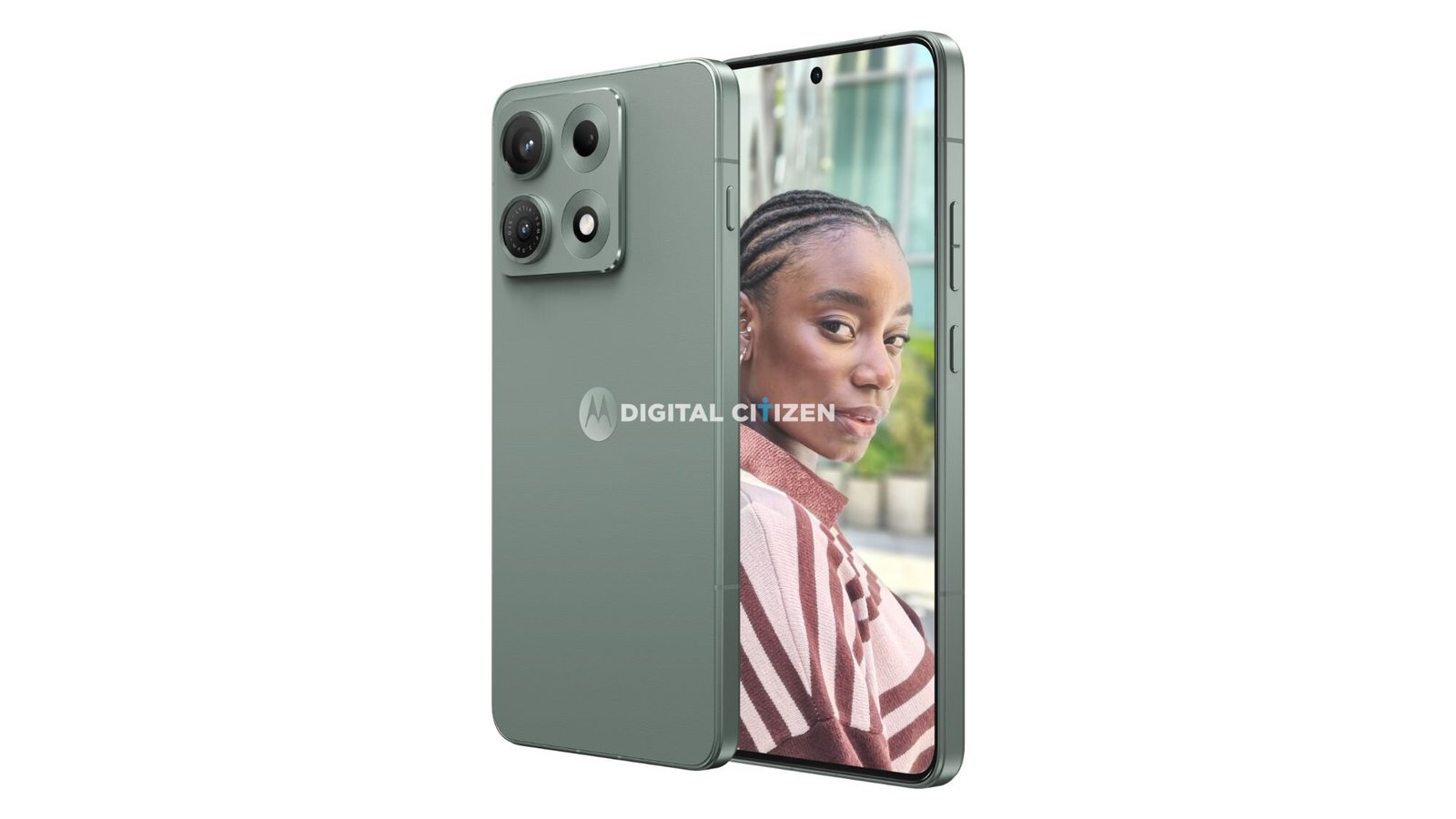
Screen-less fitness trackers are having a big moment right now. While WHOOP has been popularizing the form factor for years, many brands (including Amazfit) have recently entered the space, and now Google is joining in too. Last week, Google announced the Fitbit Air, a screenless fitness tracker designed to collect your health data 24/7 and provide AI-powered insights directly on your phone.
The whole idea behind devices like the Fitbit Air is that they can give you a more complete picture of your health than a traditional smartwatch. Instead of only tracking workouts or specific parts of your day, these trackers continuously monitor your body throughout the day and while you sleep.
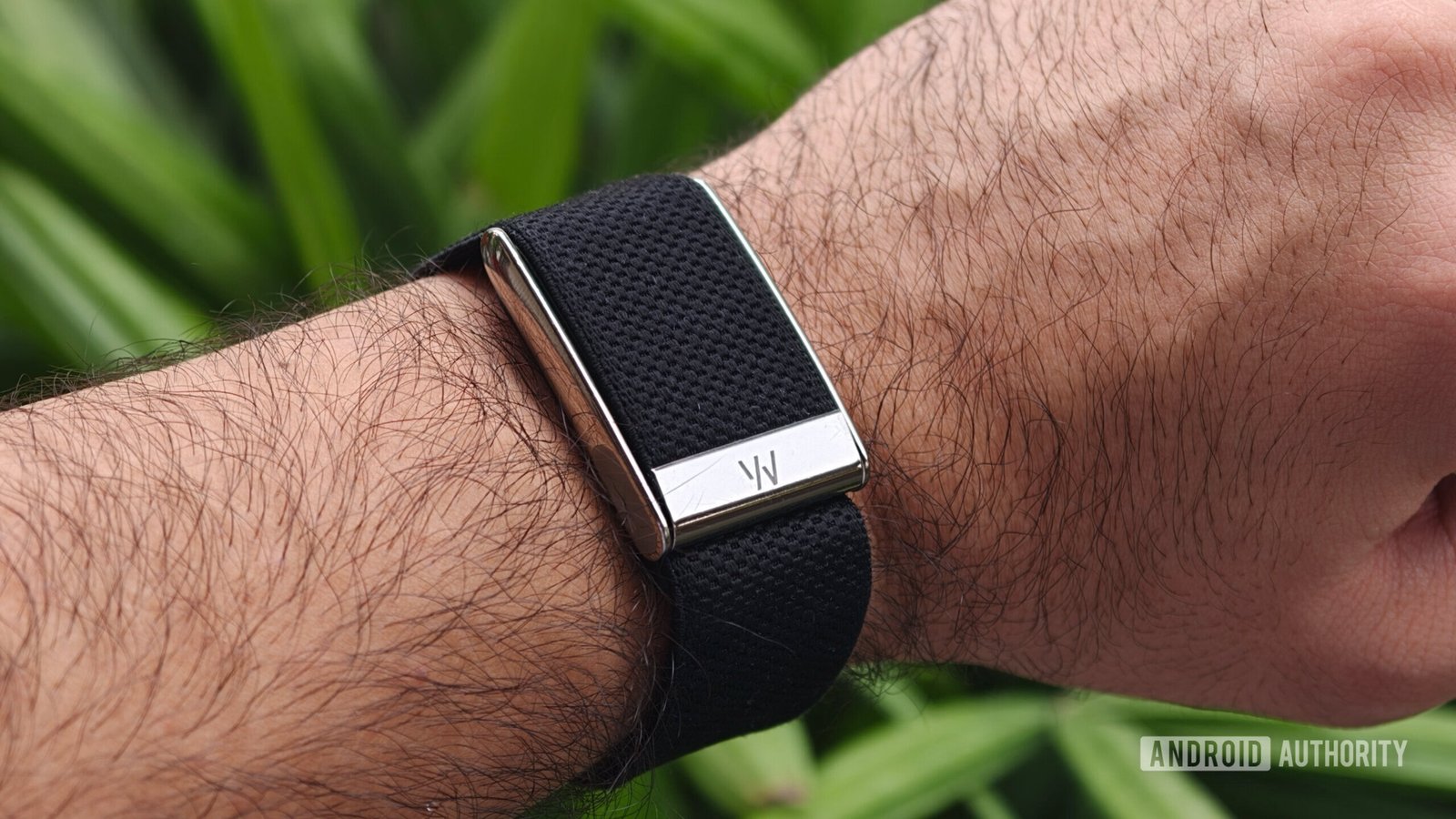
That said, the Fitbit Air isn’t unique. WHOOP has been offering this kind of experience for over a decade now, and I’ve had the WHOOP MG on my wrist for nearly a year. And honestly, even with the Fitbit Air starting at just $99, there are still a few reasons why I’m not tempted to switch.
Would you switch from a smartwatch to a screenless fitness tracker?
0 votes
WHOOP still wins on battery life and charging

Sanuj Bhatia / Android Authority
One of the biggest reasons I gave up on smartwatches was the fact that I didn’t want another device that needed charging every single night. When WHOOP introduced the WHOOP MG last year, the company claimed it could last up to two weeks on a single charge.
I was skeptical at first. Most fitness products rarely deliver the battery life companies promise, but the WHOOP MG has genuinely surprised me. There hasn’t really been a single instance where it lasted less than around 11 or 12 days on a charge. I recently went on a five-day trip to Thailand and didn’t even carry the charger. I left with around 95% battery and came back with roughly 57% still remaining.
That also brings me to another huge advantage of the WHOOP system: its charging mechanism. WHOOP includes a wireless charging power pack, so you never have to take the band off your wrist to charge it. The battery pack simply slides onto the tracker while you’re wearing it. The pack itself charges separately over USB-C and even has LED indicators showing how much charge is left, which is super convenient.
The best part about WHOOP is that I almost never have to think about charging it.
The Fitbit Air, on the other hand, uses a more traditional smartwatch-style charging setup. You still have to take the band off and attach a charging puck to charge it. Sure, Google has made things a bit easier by allowing the charger to connect both ways, but it’s still a wired charging puck, and there’s nothing like WHOOP’s wireless battery pack system here.
ECG support has become too important for me

Sanuj Bhatia / Android Authority
Another major omission from the Fitbit Air, at least in my opinion, is the lack of ECG support. I know only the WHOOP MG in the current WHOOP lineup offers ECG, but after using the WHOOP MG for the past year, I genuinely don’t think I can go back to using a fitness tracker without it anymore.
This is especially because of a recent episode I had where my heart rhythm briefly went into AFib, and my doctors recommended that I regularly keep track of my ECG readings. Since then, having the ECG feature available directly on my wrist has become much more important to me than I expected.
Unfortunately, the Fitbit Air doesn’t include ECG support, and for me personally, that’s a pretty significant omission.
Blood pressure estimates are hard to give up

Sanuj Bhatia / Android Authority
Another “medical-grade” feature of the WHOOP MG is blood pressure estimation. The tracker doesn’t use a traditional blood pressure cuff. Instead, it relies on the company’s algorithms and PPG sensors to analyze metrics such as heart rate, heart rate variability, and blood flow patterns, along with a one-time calibration using a standard blood pressure cuff.
Of course, it’s not as accurate as something like the Huawei Watch D2 with an actual blood pressure mechanism built in, but even having estimates available throughout the day is genuinely useful.
The Fitbit Air, once again, doesn’t offer anything similar. And now that I’ve gotten used to having access to this kind of data on the WHOOP MG, I honestly don’t think I can move back to a tracker that doesn’t provide these insights at all.
WHOOP feels more serious about long-term health
One thing I genuinely love about WHOOP is how deeply it lets you integrate your actual health data into the platform. Beyond just tracking sleep and recovery, WHOOP also lets you upload results from blood tests and blood pressure readings. It then factors those clinical biomarkers directly into your long-term health and longevity insights.
This means that, alongside the data it’s constantly collecting, WHOOP also considers your real-world health reports to build a much bigger picture of your overall health. From what we know so far, Google Health or Fitbit Air doesn’t currently offer this level of biomarker integration.
Don’t want to miss the best from Android Authority?


You can wear WHOOP almost anywhere on your body

Another thing I absolutely love about my WHOOP is the flexibility with how you can wear it. You are not restricted to just keeping it on your wrist. The actual tracker can slide out of the wristband and fit into specialized bands/accessories like bicep bands, boxer shorts, or even sports bras.
The Fitbit Air, at least for now, is limited to wrist wear. It’s possible we’ll see other band designs in the future, but it’s not guaranteed.
WHOOP is much smarter while traveling

Sanuj Bhatia / Android Authority
As someone who travels a lot, this is one feature that I massively appreciate. WHOOP automatically detects when you enter a new time zone and adjusts its recommendations around that.
It gives you guidance on when to sleep, when to expose yourself to light, when to hydrate, and how to adjust your routine to reduce jet lag. It’s a game-changer for frequent travelers, and as far as we know, Google doesn’t offer anything comparable with the Fitbit Air.
The Fitbit Air is still very lucrative for the price

That all said, the Fitbit Air is still looking like a very compelling device for the price. The WHOOP MG starts at around $360 per year in the U.S., and even if you add the cost of the Fitbit Air and Google’s Health Premium subscription, which is around $10 per month, the total comes to roughly $220 per year. That’s still significantly cheaper than going with WHOOP MG.
I haven’t used the Fitbit Air yet, but at its current pricing, it already looks like a pretty solid screenless fitness tracker for most people. On my end, though, after using the WHOOP MG for the past year, I don’t see myself switching over to the Fitbit Air anytime soon.
Thank you for being part of our community. Read our Comment Policy before posting.