Huawei has made another statement regarding the Mate 90 series chip tech, which may draw level with the 3nm process technology. The company stated this at the 2026 Phoenix Bay Area Finance Forum and Financial Summit held in Shenzhen today.
Zheng Jun, the CTO of the Huawei Financial System Department, delivered a significant keynote at today’s 2026 Phoenix Bay Area Finance Forum and Financial Summit.
While once again shedding light on Huawei’s innovative take on the chipset-making segment, the chief dropped a crucial point related to the upcoming Mate 90 flagship.
Jun mentioned that the Tao (τ) Scaling Law is not something new. Huawei has formed this principle many years ago and has been using it in the fields of chips, processes, and engineering paradigms. It’s the first time these things are coming into the light.
The executive added that it’s not merely a law or technological principle but a completely transformed rule book of the chipmaking industry that reshaped the collaborative models and working methods in the semiconductor development chain.
In addition to these details, Zheng Jun said that the Tao Scaling Law has now been fully integrated with the entire process and supply chain of chipmaking. From design, packaging, to testing, it has completed every operation.
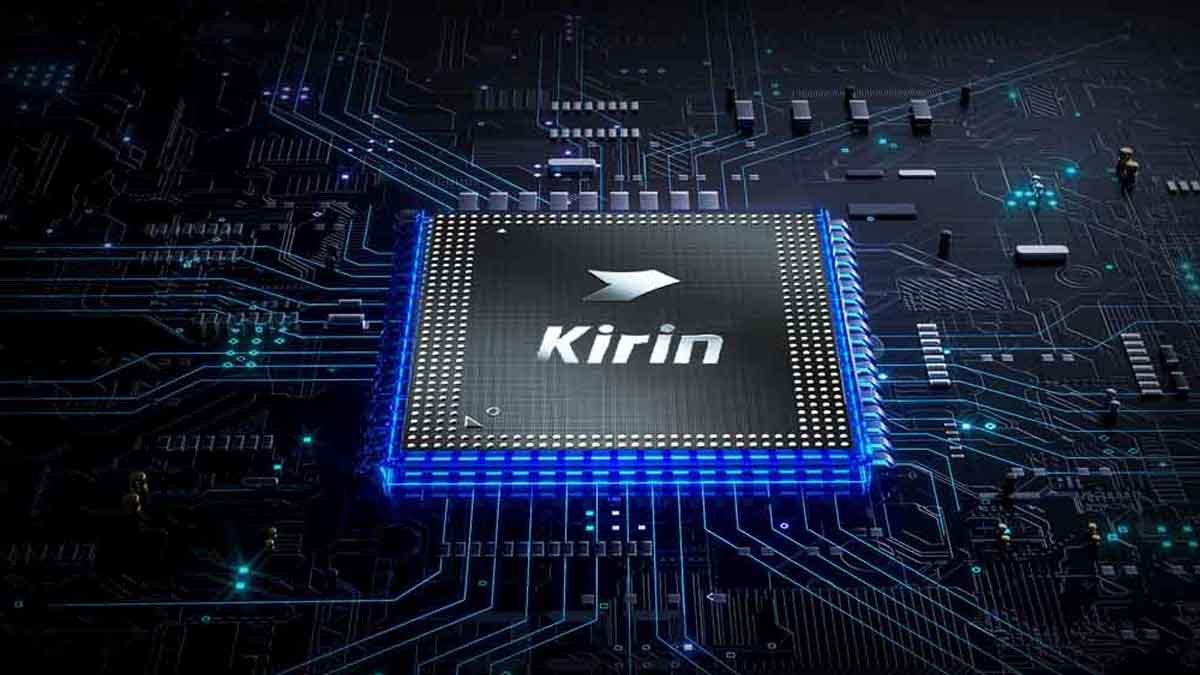
Now, the 2026 Kirin mobile chip based on this Law and LogicFolding design concept will push Huawei Mate 90 phones close to those handsets running on the 3nm processors.
Zheng Jun said:
“Chips are developing based on Tao (τ) Law have been applied to the Huawei Mate 90 model, achieving a top-tier process level close to 3nm.”
Unlike the 2D design chips, the Kirin chips coming this year will bring 53.5% hike in the transistor density with 41% improvement in performance, core energy efficiency, and 12.7% increase in peak frequency. It will reach 238 MTr/mm². The name of this chip is unclear. Though we’ll learn it later.

(Image Credits: Huawei)
The post Mate 90 series chip will be close to 3nm process tech: Huawei appeared first on Huawei Central.